Since the outbreak of the Iran war, global energy markets have once again been pushed into uncertainty. Within just a few days, commodity prices surged by 20-30%. Since then, they have moved sideways, fluctuating in response to developments on the ground and statements from key global players.
But, compared to the energy crisis of 2022, Europe is in a more resilient position. At that time, heavy dependence on Russian gas led to sharp and immediate price shocks. Today, the region is less reliant on energy imports from the Middle East, which means the overall impact on electricity prices is expected to be more moderate. Still, the duration of the conflict remains critical. The longer the war continues, the more pressure it is likely to place on energy markets.
In Macedonia, the situation differs between households and businesses. Household electricity prices are regulated and supplied through “universal supplier” and long-term procurement contracts. This provides stability and shields consumers from short-term fluctuations in global markets.
For businesses, the picture is more dynamic. Most companies operate on contracts linked to hourly spot market prices. During daytime hours, especially between 10:00 and 17:00, electricity prices tend to remain low due to strong solar (PV) production across the region. This trend is expected to continue regardless of the current geopolitical situation. However, prices in the evening and early morning are more sensitive to fossil fuel costs, as they are largely set by thermal power generation. If prices for gas, oil, and coal increase, electricity costs during these periods are likely to rise as well.
Overall, while average electricity prices for businesses may increase, the impact may not be as big as last year. The growing share of low-cost solar energy during the day acts as a balancing factor, helping to soften the overall effect.
In summary, the conflict can have an impact on electricity prices, but it is expected to be less severe than the crisis that began in 2022. The extent of this impact will largely depend on how long the situation persists, though structural changes in the energy market are helping to mitigate the risks.
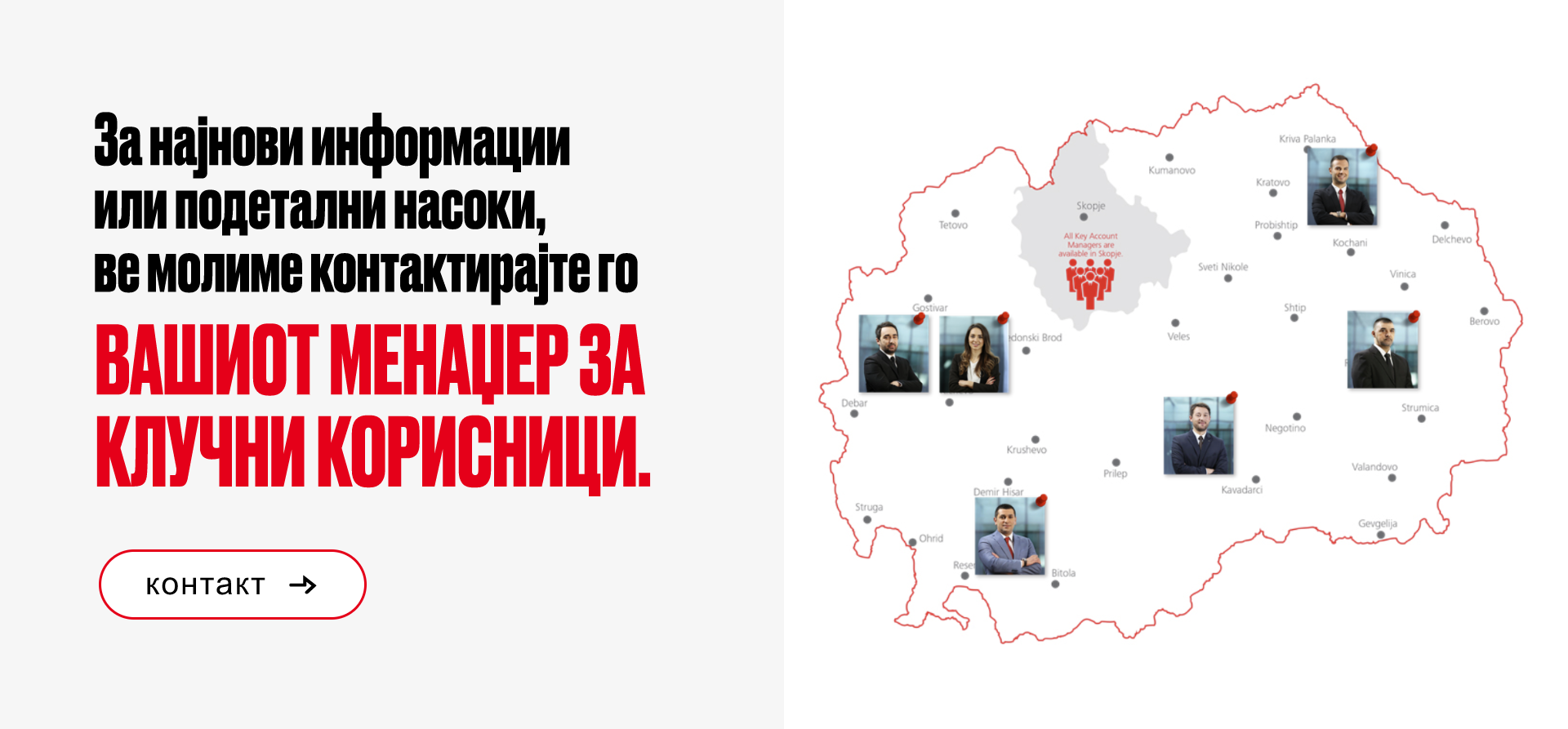
For the latest updates or more detailed guidance, please contact your
key account manager.